Why Early Detection Matters
Catching a cavity early in your child's mouth can mean the difference between a simple fluoride treatment and a filling, crown, or even extraction. The tricky part is that early cavities are nearly invisible to the untrained eye — and by the time your child complains of pain, the decay is often advanced. Here is what to look for at each stage so you can act fast.
Stage 1: White Spots (Reversible)
The earliest sign of decay is dull, chalky white spots on the tooth surface — usually near the gum line or between teeth. These spots mean minerals are being lost from the enamel but no hole has formed yet. This stage is completely reversible with fluoride treatments, improved brushing, and reducing sugar exposure. Your dentist can spot these during regular checkups.
Stage 2: Light Brown Discoloration
As decay progresses, the white spots darken to light brown or yellowish. A small hole may be forming in the enamel. Your child probably does not feel anything yet because enamel has no nerves. A small filling at this stage is quick, easy, and prevents further damage. This is why regular dental visits matter — catching decay at this stage saves pain and money.
Stage 3: Visible Holes or Dark Spots
By this stage, the cavity is visible — a dark brown or black spot or an actual hole in the tooth. Your child may start experiencing sensitivity to hot, cold, or sweet foods. A filling is definitely needed, and if the decay is extensive, a crown may be required. Do not wait — decay at this stage progresses quickly in baby teeth because the enamel is thinner than in adult teeth.
Stage 4: Pain, Swelling, or Infection
If your child complains of toothache, has visible swelling, or you notice a pimple-like bump on the gum near a tooth, the decay has reached the nerve. This requires urgent treatment — either a pulpotomy (baby tooth root canal) or extraction. Dental infections in children can spread rapidly and even require hospitalization in severe cases.
Ready to Schedule Your Visit?
Join over 1 million families who trust Rodeo Dental. Book your appointment today!
Book Appointment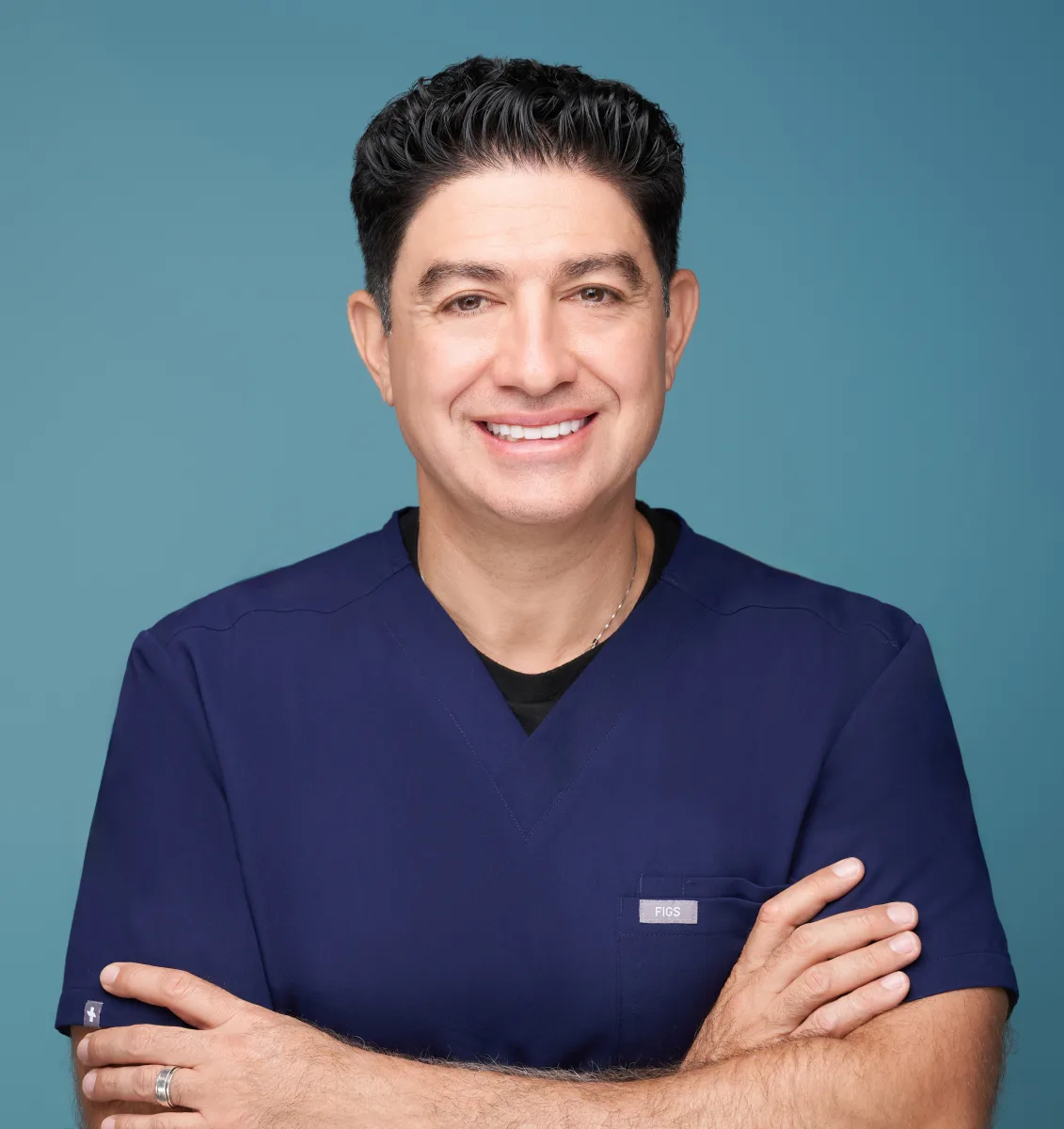
Medically Reviewed By
Dr. Saam Zarrabi, DDSFounder & CEO
Founder & CEO of Rodeo Dental with 18+ years of experience. UCLA and Pacific Dental School graduate.
View ProfileReady to Schedule Your Visit?
Join over 1 million families who trust Rodeo Dental. Book today!